Shade-Tolerant Perennials: Compare 8 Reliable Choices for North-Facing Borders
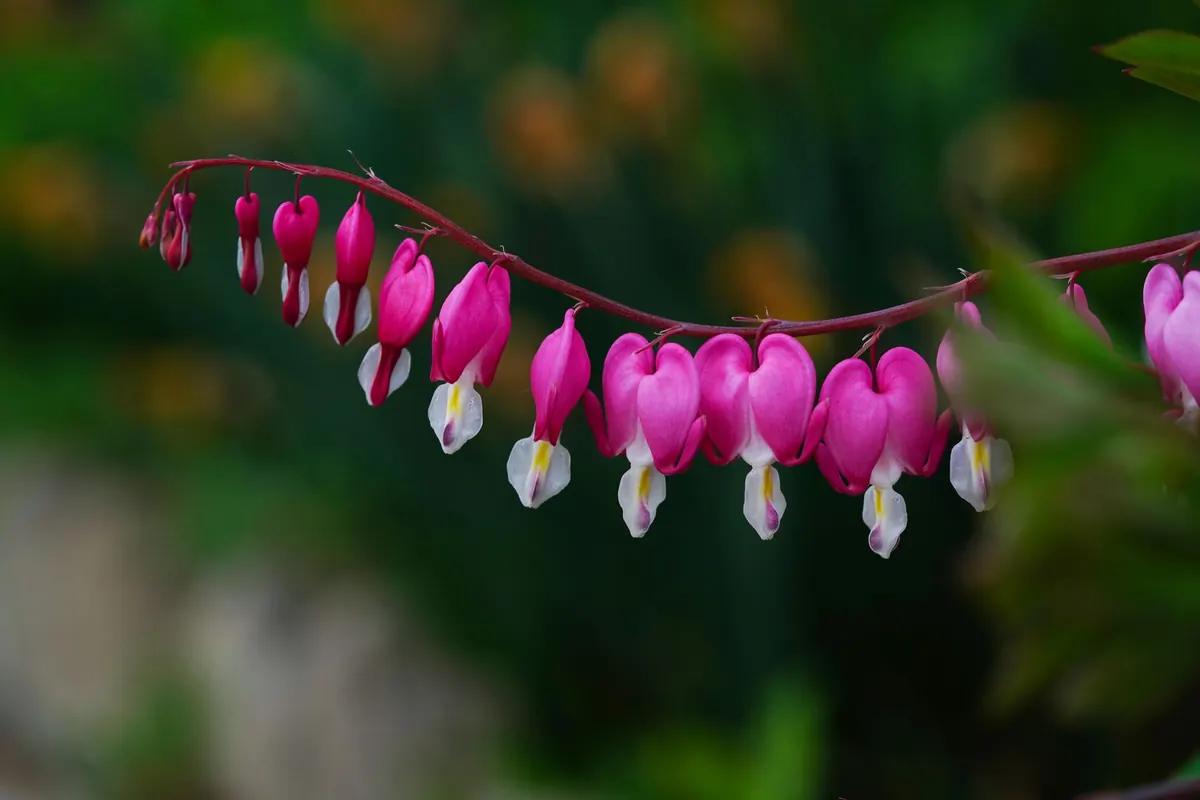
A north-facing border has a reputation problem. It is often treated as the corner where plants go to struggle, filled with whatever survives and forgotten for the rest of the year. In practice, shade is not a defect. It is a set of conditions, and a generous one at that: cooler soil, slower moisture loss, less scorch in summer. The plants that like these conditions are among the most elegant in the garden, with foliage that holds its shape all season and flowers that last longer than they would in full sun.
What matters is choosing with care. A border that receives no direct sun at all is a different proposition from one that catches two hours of morning light, and a damp clay pocket differs from a dry strip under a mature hedge. The eight perennials below cover that range. Each entry gives the light it will tolerate, the soil it prefers, its typical height in flower, and the season it earns its place.
Use this list as a shortlist, then read the notes that follow for the detail that decides whether a plant will settle in or sulk.
Hellebores carry the border through the months when little else is happening. The evergreen types, including the familiar Lenten rose hybrids, hold their leathery foliage through winter and push flowers from late winter into early spring, often while the ground is still cold. They want humus-rich soil that drains — a spot where water never sits around the crown — and they reward a mulch of leaf mould each autumn. Old foliage is best cut back in late winter so the flowers are not hidden among it.
Epimedium is the quieter companion. Its flowers are small, held on wiry stems in spring, and easy to overlook until you are on your knees weeding. The real value is the foliage: heart-shaped leaves that open flushed bronze or red before greening, then hold colour well into autumn. It spreads slowly by rhizome, which makes it a good ground cover under shrubs where little else will grow, and it tolerates dry shade better than most on this list.
Both dislike being buried too deep. Set hellebores so the crown sits at or just below soil level, and give epimedium room to run — a 30 cm spacing between plants will close within two seasons.
Lungwort is one of the most useful plants for a genuinely dark corner. It flowers early, in shades of blue, pink and white that shift as the blooms age, and the leaves that follow are often spotted or silvered, carrying the border through summer. It needs moisture; a dry spring will shorten the display and leave the foliage looking tired. Cut the flowered stems back and the foliage freshens.
For a woodland geranium, Geranium phaeum is the reliable choice. It manages in light shade and ordinary soil, produces dark maroon or violet flowers in late spring, and self-seeds politely into gaps. A midseason cut-back after flowering encourages a fresh flush of leaves and sometimes a second, lighter flowering. If the border is dry, plant it closer to the front where you can water it in its first year.
Astilbe brings feathery plumes to a shady border in midsummer, in white, pink and deep red. It is not a plant for dry shade. It wants soil that stays damp, and it will let you know within a week if it does not get it — the leaf edges brown and crisp first. Plant it where a downpipe runs or where the ground holds moisture, and water through any dry spell in its first two summers. The faded plumes can be left for winter structure or cut for indoor arrangements.
Hostas are grown as much for foliage as flower, and rightly so: the range of leaf size, colour and variegation is vast enough to build a whole border from one genus. They prefer rich, moist soil and light to full shade, though blue-leaved cultivars hold their colour better out of strong sun. Slugs are the usual complaint. Rather than reaching for pellets, try planting in a wide community — thick planting makes the garden less inviting to slugs — and accept some cosmetic damage on older leaves late in the season.
Japanese woodland anemones flower when much of the border is winding down, sending up loose sprays of pink or white on tall, airy stems. They are the exception on this list in wanting a little sun, so give them the brighter end of a north-facing border, or a spot that catches a couple of hours of afternoon light. They run at the root and can spread widely in loose soil; if that is a concern, plant them where a path or wall will check them.
Ferns do the structural work. Dryopteris and Polystichum species form neat clumps of arching fronds that look good from the moment they unfurl in spring until they brown in late autumn, and several hold green through a mild winter. They want moisture and drainage in equal measure, and they look best planted in groups of three rather than dotted singly. Cut tatty fronds back in late winter before the new croziers appear.
A workable scheme is to plant in layers. Taller astilbe and Japanese anemone go toward the back, with ferns filling the middle ground and hostas grouped where their leaves can be seen from the path. Hellebores, epimedium and lungwort sit at the front, where their early flowers are close enough to notice. Repeat two or three of these through the border rather than using one of each — repetition is what makes a shaded planting look deliberate.
Before planting, improve the soil with a generous layer of garden compost or leaf mould and check drainage by watering a pot-sized hole and seeing how long it takes to empty. Water new plants through their first summer, mulch in autumn, and leave the tidying until late winter so seed heads and faded foliage can do their work. Nothing here is difficult. It simply asks for the right plant in the right place — which, in a north-facing border, is easier to arrange than most gardeners expect.
Photo: 대정 김 / Pexels
Previous Post
A Seasonal Garden Maintenance Calendar for Temperate Climates
Next Post
How to Create a Gravel Garden That Survives Hot, Dry Summers