A Seasonal Garden Maintenance Calendar for Temperate Climates
A temperate garden runs on a rhythm you can learn inside a year. Frost arrives and leaves on roughly the same dates each season, day length swings between eight hours and sixteen, and everything in the border answers to both. Once you know which jobs belong to which window, the work stops feeling like a scramble and starts feeling like a schedule.
What follows is a working calendar rather than a rulebook. Treat the months as markers and let the weather shift them two or three weeks in either direction. The same tasks apply to a garden in Kent and one in northern Italy; they simply arrive about a month apart. A garden on heavy clay will also run later than one on free-draining sand, and a windy site can be a fortnight behind a sheltered one even a few miles away. Use the calendar to plan, then use the garden to confirm.
Late winter is for the work that needs bare branches and cold fingers. Pruning now, while plants are fully dormant, means cuts heal cleanly and you can see the shape you are making instead of guessing at it through leaves. It is also the last quiet window before sowing, planting and watering take over.
Leave stone fruit alone for now. Plums, cherries and peaches are pruned in summer, when the spores that cause silver leaf and canker are less likely to find an open wound. Wisteria is the exception to the dormancy rule in the other direction: cut last year's long growth back to two or three buds now, and again in summer.
Beyond the secateurs, late winter is maintenance: wash pots in hot soapy water, service the mower, sort stakes, set potatoes to chit on a bright windowsill. In February, drop a bucket over a rhubarb crown to force pale, tender stems, and cut summer-flowering clematis back to a pair of fat buds about 30cm from the ground. Check stored dahlias and begonia tubers for rot, and prune winter-flowering shrubs such as mahonia after flowering if they need shaping.
As the soil stops sticking to your boots, the season turns busy. The old signal still works: prune roses when forsythia opens. In mild areas that may be late February; in colder gardens, March or even early April. Do not work soil that is still wet enough to form a ball — wait until it crumbles.
Fork over beds without digging them to pieces. Spread a 5cm layer of well-rotted compost once the soil has warmed, not before — a cold, wet mulch on cold, wet ground simply delays growth. Feed roses and hungry shrubs with a balanced granular fertiliser and water it in if the month stays dry.
Sowing begins under cover: sweet peas in deep root trainers, calendula, nigella, lettuce. Direct-sow hardy annuals where you want them to flower, because they resent transplanting. Divide perennials such as asters, heleniums and hardy geraniums while new shoots are still short, and replant the healthy outer pieces, discarding the woody middle.
Plant bare-root hedging and roses while they are still dormant; bare-root stock establishes faster than container-grown and needs no plastic pot. Water bare-root plants in after planting, even in a wet week, to settle soil around the roots. Harden seedlings off properly over a week — out by day, in at night — rather than trusting a warm forecast.
The last frost date is a guideline, not a promise. Wait until nights hold above 10°C before planting out tomatoes, courgettes, dahlias and basil; a fortnight of patience beats a fortnight of fleece. In a cool summer, basil may sulk even after frost has passed, so give it the warmest, most sheltered spot you have.
Watering is where most summer problems begin. Water deeply and less often, in the morning, at the base of the plant. A quick nightly sprinkle encourages shallow roots and wet leaves, which is exactly what mildew wants. Mulch after watering, not instead of it. A rain gauge or a finger pushed into the soil tells you more than the surface look.
Stake perennials while they are still short enough to accept it. Thin apples and pears to one fruit per cluster, roughly a hand's width apart, and tie in climbers weekly so growth goes where you want it. At the end of May, cut asters, sedum and helenium back by a third for stockier plants and later flowers. Pinch out fuchsias and cosmos for bushier plants, and tie in sweet peas regularly or they will flop.
Aphids will appear; a healthy population of ladybirds and hoverflies usually catches up within a fortnight. A broad-spectrum spray kills the predators along with the pests, so keep it in the shed. Encourage predators with a small patch of nettles or umbellifers nearby, and inspect shoot tips twice a week.
July and August test the calendar. Growth slows, watering becomes the main job, and the temptation is to do too much in the heat. The aim is not to make the garden grow faster but to keep it alive and tidy until the cooler weather returns.
Deadhead weekly — roses, dahlias, cosmos, sweet peas — and cut hardy geraniums and delphiniums to the ground after their first flush for a second round in September. Summer-prune wisteria by shortening this year's long whips to five or six buds, and prune plums and cherries now that fruiting is over.
Collect seed on a dry afternoon, label it, and store it in paper rather than plastic. Sow quick crops for autumn: salad, radish, spinach, and kale or winter cabbage in late July. Leave the lawn longer in hot weather and don't feed it during drought — brown grass recovers, dead grass does not. Water containers in the evening if morning is impossible, but keep foliage dry.
Before you go away, group pots together in shade, move them off hot paving, and ask a neighbour to water twice a week rather than daily. A simple drip line or water-retaining gel is worth the investment if you are away often.
September to November is the planting window most gardeners underuse. The soil is still warm from summer, the air is cooling, and rain usually returns, so roots can establish before the first hard frost without the plant having to support a full head of top growth. This is the time to plant bare-root trees, roses, hedging and fruit bushes, and to move or divide perennials that have finished flowering.
Clear spent annuals and cut back perennials that have collapsed, but leave seedheads on sedum, echinacea and teasels for birds and winter structure. Lift dahlias after the first frost blackens the foliage, dry the tubers upside down for a few days, and store them in a cool, frost-free place in barely moist compost or newspaper. Plant garlic, broad beans and spring bulbs; tulips can wait until November, which reduces the risk of disease.
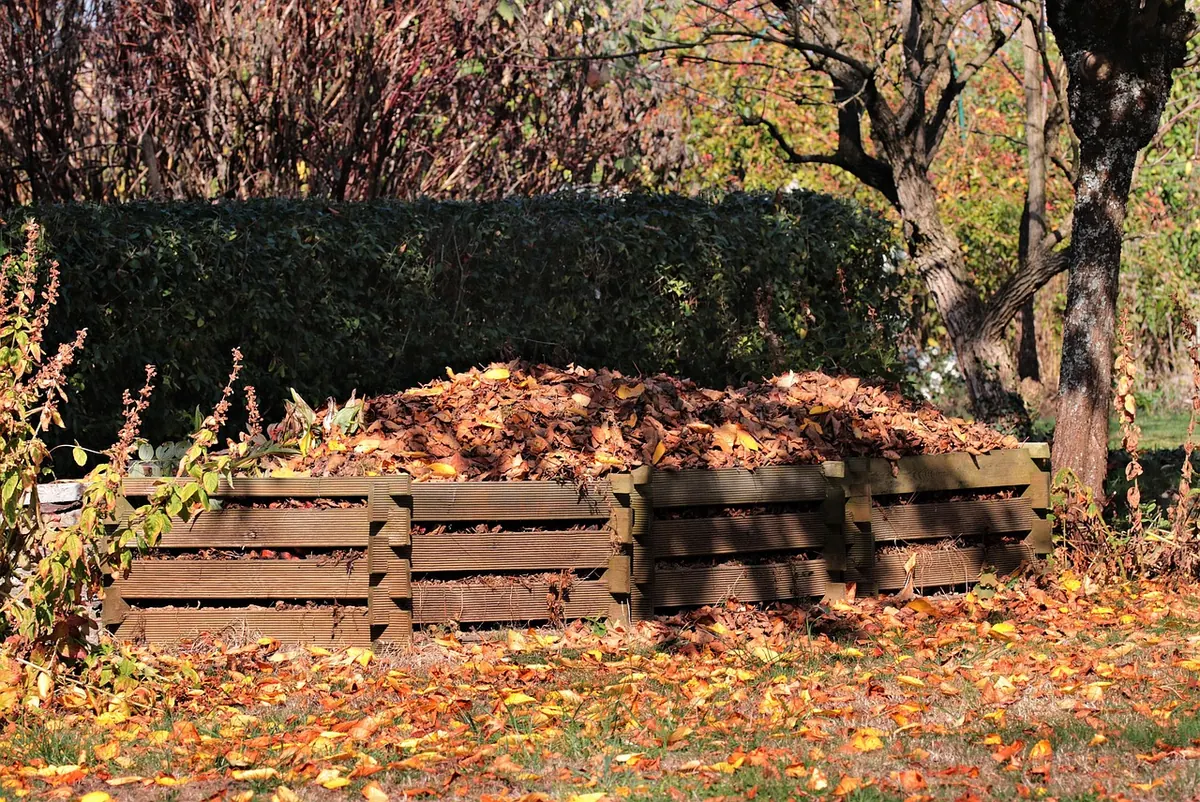
Autumn is also the season for soil care. Spread compost or leaf mould over beds, but leave heavy clay rough rather than treading it smooth. Collect fallen leaves for leaf mould, clean gutters and water butts, and scrub the greenhouse glass so light reaches winter crops. Prune roses lightly to stop wind rock, but save hard pruning for late winter. Test soil pH if you have never done it: it explains more about what will thrive than almost any other single fact.
Winter is not an empty season. December and January are for protecting what is tender, repairing what the weather has loosened, and planning next year before the catalogues arrive. Check stored tubers and bulbs for rot, move pots onto feet or bricks so they drain, and wrap terracotta pots in bubble wrap or hessian if hard frost is forecast. Keep off wet soil: walking on saturated beds compresses the structure and creates years of drainage problems.
Prune apples and pears while dormant, apply a winter wash to fruit trees if you have had a pest problem, and cut back autumn-fruiting raspberries to the ground. Harvest leeks, parsnips and kale as needed; parsnips taste sweeter after frost. Order seeds, sort tools, sharpen spades and clean the mower. A few dry days spent repairing paths, fences and raised beds will save time in spring.
Use the quiet weeks to look at the garden's bones. With leaves gone, you can see where a hedge is uneven, where a path floods, or where a shrub has outgrown its space. Make notes now; the memory of winter structure fades fast once spring growth begins.
The most useful tool in any temperate garden is a notebook. Record the date of the last frost and the first autumn frost, the first and last flowering of key plants, and the day the forsythia opens. Note what you sowed, when it germinated, and whether it thrived. A few lines a week will, after two seasons, turn this general calendar into a precise one for your own plot.
Keep records simple: a page per month, a note of weather extremes, and a list of jobs that were done or missed. Add seed packets with the sowing date written on them, and sketch crop rotations so potatoes do not follow potatoes. The notebook does not need to be beautiful; it needs to be used.
Write down the weather, not just the work. A late frost, a dry June or a wet October explains more about next year's garden than any memory can.
The calendar is a map, not a cage. If the soil is ready, the frost has passed or the rain has finally come, let the plant and the weather tell you what to do. After a year or two, you will have your own version — and that is the one that matters.
Previous Post
How to Build a Wildlife-Friendly Pond in a Weekend
Next Post
Shade-Tolerant Perennials: Compare 8 Reliable Choices for North-Facing Borders