Privacy Screening Compared: Hedges, Trellises, and Fence Planters
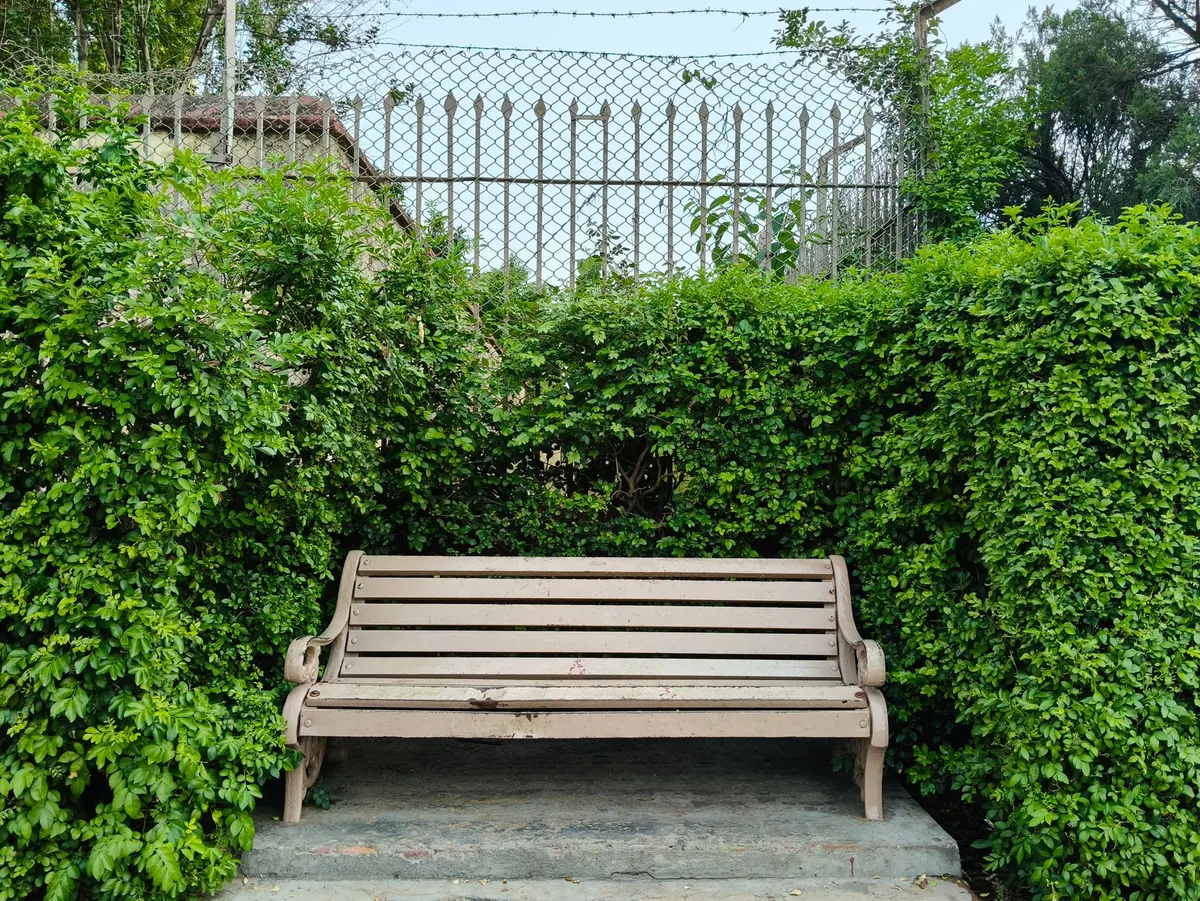
The neighbour's trampoline. A first-floor window that looks straight into your kitchen. A bus stop that acquired a bench. Privacy is rarely an abstract design goal — it is usually one very specific view you would rather not have, and the remedy depends as much on your site as on your taste.
Hedges, trellises and fence planters can all screen that view, but they behave nothing alike. One takes four years and asks for a trimmer twice a season. Another gives you three metres of green by July and nothing but stems in February. The third goes up in an afternoon and then wants water every evening in August. What follows compares them on the four things that actually decide the matter: speed, maintenance, cost and the ground you have to surrender.
Before you buy anything, stand where the view offends you and work out what height would block it. Sitting at the kitchen table, eye level is around 1.2 metres. Standing in the garden, it is nearer 1.6. A first-floor window looks down, so it needs more height and, crucially, more density — a see-through screen fails at exactly the angle you built it for.
Three measurements settle most of the argument: the height you need, the distance from the boundary to your seating area, and how much width you can spare. A screen 1.5 metres from the patio needs less height than one at the far end of the lawn. If the offending view is only visible from one chair, a well-placed shrub or a single panel of trellis may solve it for a fraction of the cost of screening the whole boundary.
Also check what your local authority allows on hedge heights and boundary structures before you commit. Rules vary enormously between countries and even between neighbouring towns, so a quick look at your council's guidance — or a word with a local garden professional — is time well spent.
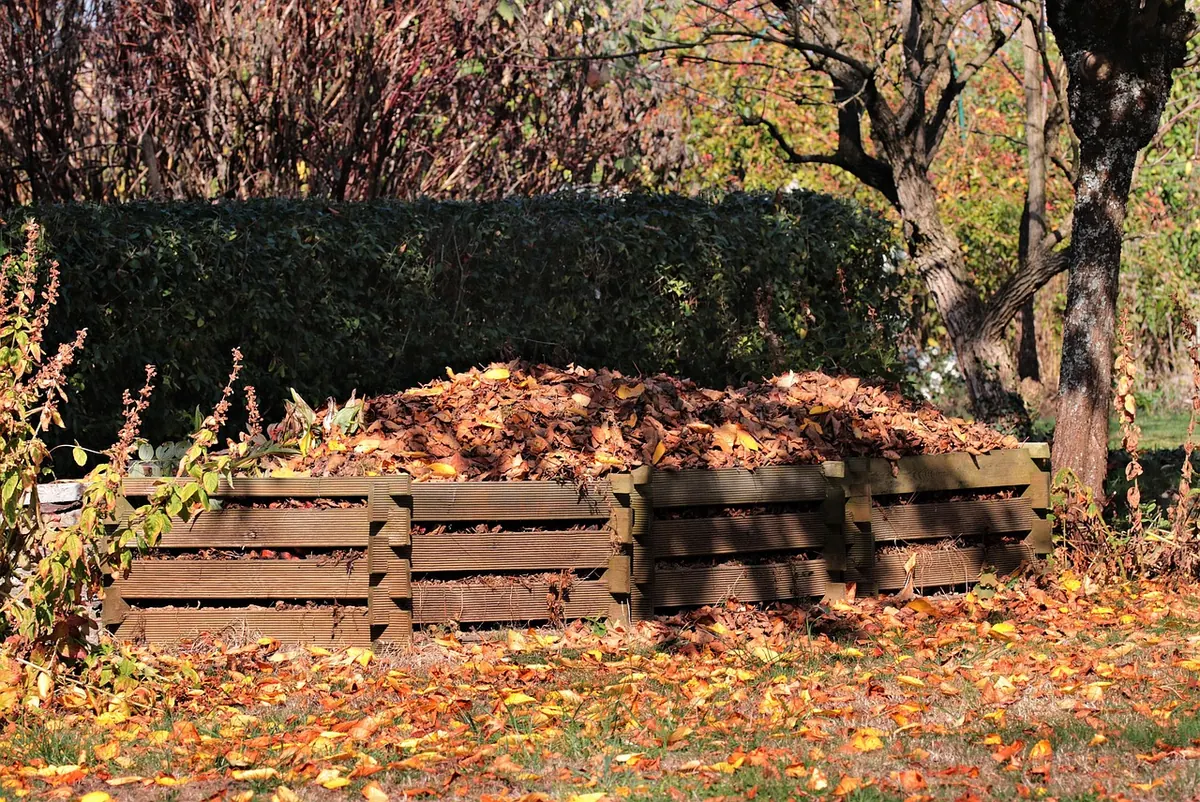
A hedge is the most generous of the three. It screens, softens noise, houses insects, absorbs dust and looks as though it belongs. It is also the slowest and the least forgiving of a badly prepared planting strip.
Bare-root whips, bought in winter, are by far the cheapest way in and establish quickly if you plant them well: clear a strip at least 60 centimetres wide, fork in organic matter, plant in a staggered double row and water through the first two summers. Expect a decent screen in three to five years, depending on species and soil. Potted stock or semi-mature plants cut that to a season or two, at a considerably higher cost.
For year-round cover, look at yew, holly, privet, box-leaved honeysuckle or cherry laurel. Hornbeam and beech hold their dead leaves through winter, which gives a surprising amount of privacy for a deciduous plant. Leyland cypress and other fast conifers will certainly close a gap quickly, but they also demand the most trimming to keep within bounds. On poor, dry soil, choose something tolerant rather than fighting the site.
Maintenance is the honest trade-off. A formal hedge wants trimming once or twice a year with a spirit level and a taut line; an informal one needs a lighter cut. Allow 60 to 90 centimetres of width for a clipped hedge, more for a loose, flowering one, and remember that roots spread well beyond the canopy — keep planting away from drains, paving and foundations.
If space is the constraint, nothing beats vertical growing. A trellis fixed to a wall or a sturdy fence takes up a hand's width of border and can carry a screen three metres high. It is also the fastest route to a mature-looking garden, because climbers put on growth above ground while their roots stay in a narrow strip.
The structure matters more than the plant. Fix battens to masonry with proper anchors, not to the fence panel alone, and leave a small gap between trellis and wall so air can move and you can tie in shoots. Free-standing trellis panels — a frame with a decent footing, or braced against a wall — work well on a patio. Account for wind: a mature evergreen climber on a trellis catches a great deal of it.
For evergreen cover, consider ivy (vigorous, so keep it off gutters and window frames), trachelospermum, Clematis armandii or pyracantha, which has the useful habit of being thorny. Deciduous climbers such as wisteria, grape vine and jasmine give a summer screen and a bare winter, which may be exactly what you want over a sunny seating area. Most climbers want a feed and a yearly prune, and soil against a wall is often dry and starved — plant 30 to 45 centimetres out from the wall, lean the support towards it and water attentively for the first two years.
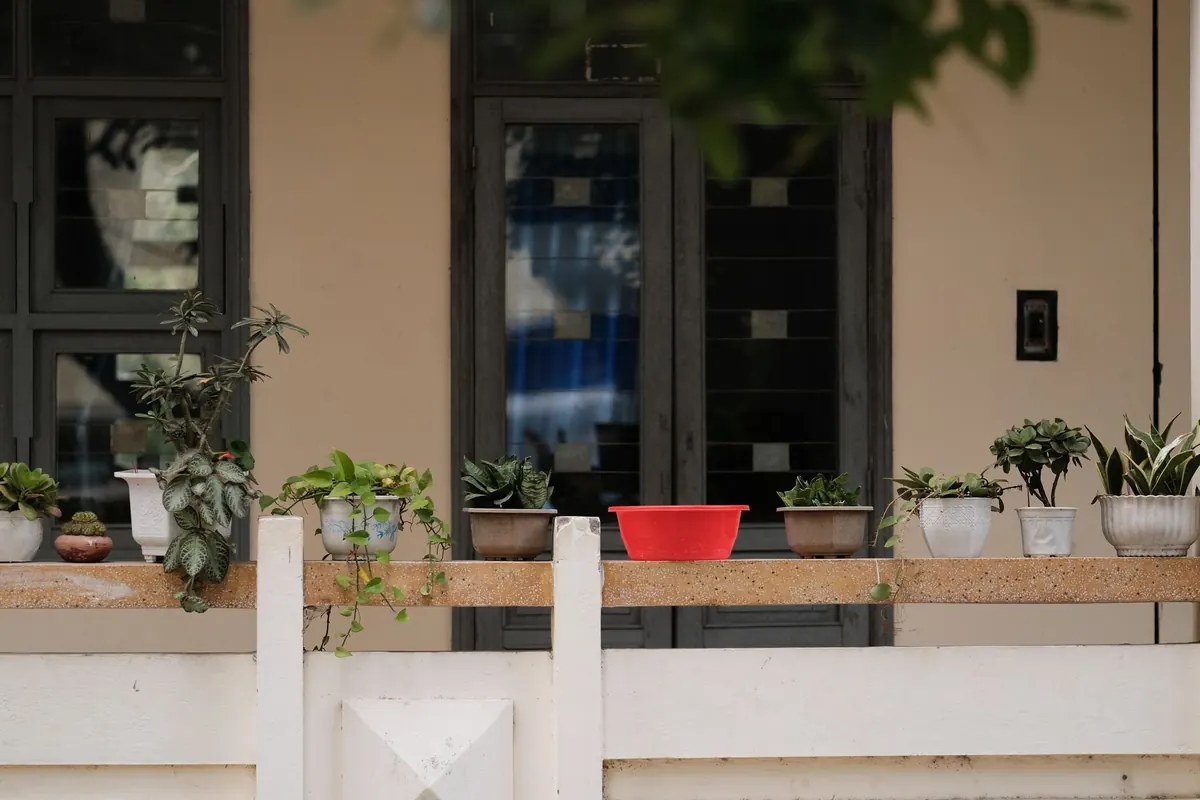
Troughs mounted along the top of an existing fence add 40 to 60 centimetres of height instantly, which is often all that is needed to turn a waist-high panel into a proper screen. They are the only one of the three that works on a rented garden or a paved courtyard, and they can be planted with whatever suits you — clipped evergreens, ornamental grasses, bamboo in a root barrier, or trailing plants that spill over the fence line.
The catch is the container. Roots have limited volume, so plants dry out fast, need regular feeding and will eventually want replacing. Weight is the other issue: a wet trough full of compost and mature shrubs is heavy, so fix it to the fence posts rather than the panel, or stand it on brackets, and check that the fence itself is sound. Drainage holes are non-negotiable, and a drip line or a watering can on a summer evening is part of the routine, not an extra.
The best screens usually combine two of the three. A hedge along the boundary gives long-term structure; a trellis against the house or garage handles the view from an upstairs window; a planter or two fills the gap where the hedge is still growing. Layering also gives you insurance: if a climber fails or a hedge suffers a bad winter, the screen does not vanish entirely.
Plant the slow, permanent elements first, even if they look like twigs. Then use the fast, removable options to cover the years in between.
Whichever route you take, keep the neighbours in mind. A screen that encroaches, shades or sheds onto someone else's garden tends to become a dispute rather than a boundary, and a 30-centimetre trim of goodwill at the planning stage is worth more than any hedge.
Photo: Vishvajeet Kumar / Pexels