Balcony Herb Garden Checklist: Sun, Drainage, and Container Sizes
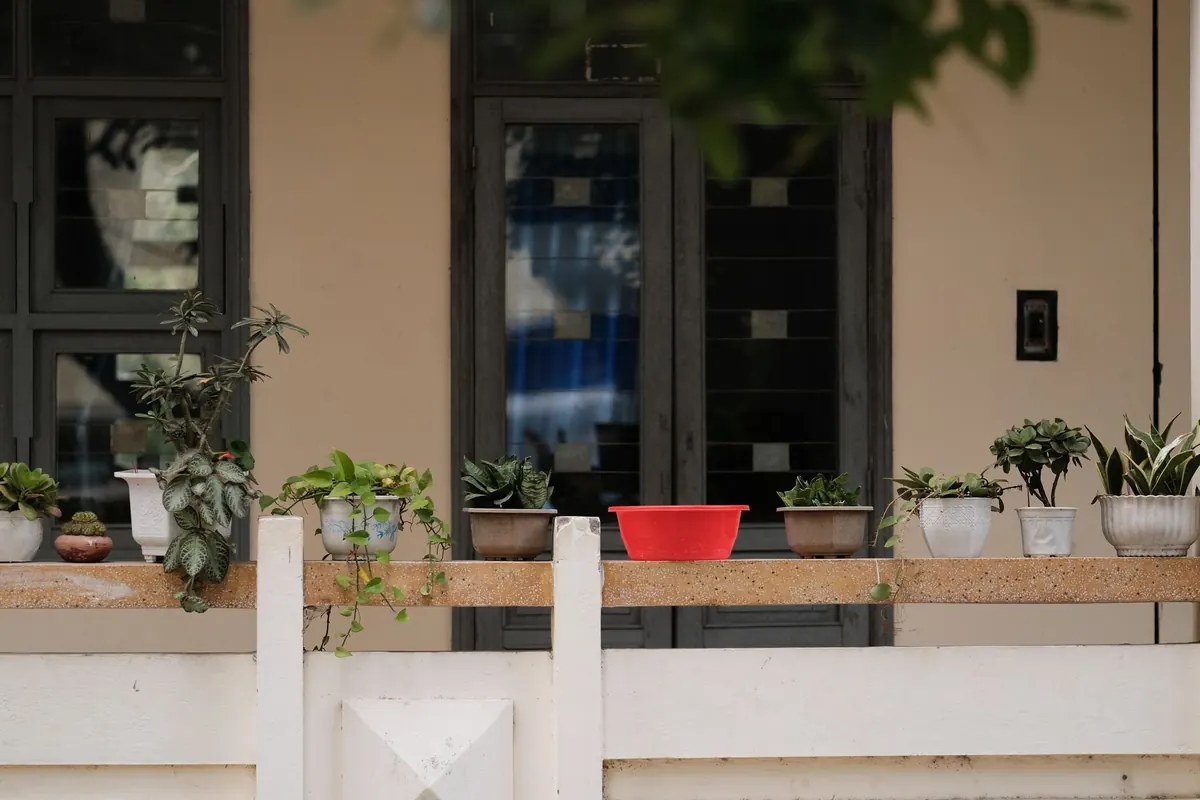
A balcony herb garden is a small act of optimism: a few pots, a sunny corner, and the promise of fresh leaves for dinner. It also has a way of exposing the basics. A herb that sulks in a shady spot, a pot that dries out by lunchtime, or a saucer that turns into a swamp will teach you more in one week than any glossy gardening book. The checklist below is the one worth running before you buy another plant: light, drainage, container size, and a watering routine that fits real balcony life.
Before choosing herbs, watch your balcony at three or four points during the day. Note where the sun falls at mid-morning, around noon, mid-afternoon, and early evening. A south- or west-facing balcony usually gives the most direct light; an east-facing one gives gentler morning sun; a north-facing balcony may offer only bright shade. The difference matters because most culinary herbs want four to six hours of direct sun, while basil, rosemary, thyme, oregano, and sage do best with six or more.
Shade is not a failure. Mint, parsley, chives, coriander, and lemon balm will tolerate three to four hours of sun or dappled light, especially in warm weather. On a hot balcony, a west-facing wall can radiate heat late into the afternoon, so even sun lovers may appreciate a little protection during the hottest part of the day. Keep pots far enough from glass to avoid scorching leaves, and rotate them a quarter turn each week so the plants grow evenly rather than leaning into the light.
Small pots are the most common reason balcony herbs struggle. A tiny pot heats up fast, dries out fast, and gives roots nowhere to go. As a rough minimum, use a pot 20 cm across and 20 cm deep for basil, parsley, or coriander, with one plant per pot. Chives and mint need similar space, but mint should always have its own container because it spreads aggressively. Thyme, oregano, and sage prefer a wider pot — 25 to 30 cm across — with about 20 cm of depth. Rosemary needs at least 30 cm in both directions, and larger herbs such as bay or lemon verbena need 35 cm or more.
Material matters as much as size. Terracotta breathes and looks good, but it dries faster than glazed ceramic or plastic. Dark pots absorb heat, which can cook roots on a sunny balcony; light-coloured containers stay cooler. Whatever you choose, check that the pot has drainage holes before you fill it. Group pots by water needs rather than by colour or shape: thirsty mint and parsley together, drought-tolerant rosemary and thyme together. That one habit makes watering far simpler.
Herbs hate sitting in soggy compost. If a pot has no holes, drill them or use it as a cachepot with a smaller drained pot inside. A saucer is useful for catching runoff, but empty it after rain or watering; a pot left standing in water will soon show yellow leaves, drooping stems, and root rot. Raise pots on small feet or tiles so air can move underneath.
A layer of gravel or broken crocks in the bottom does not improve drainage. It simply raises the saturated zone closer to the roots. Use a free-draining potting mix with perlite or coarse bark instead of garden soil, which compacts in containers. When water runs straight through a pot and the plant still wilts, the roots may be crowded; check for a tight root ball and repot into a container one size larger.
On a small balcony, every pot should work for its place. Reliable choices include basil, mint, chives, parsley, thyme, rosemary, oregano, and sage. Think about how you cook: if you rarely use rosemary, do not give it your sunniest spot just because it looks handsome. Start with three to five pots and add more once you know how quickly they dry and how much you harvest.
Pinch basil flowers as they appear to keep leaves coming. Trim rosemary and sage lightly rather than cutting into old, woody stems. Coriander tends to bolt in heat, so sow it in small batches rather than expecting one long season from a single pot.
Container herbs live in a smaller world than garden plants. In summer, check pots daily; in cool weather, every two or three days may be enough. Push a finger into the top two or three centimetres of compost, or lift the pot to judge its weight. Water in the morning when possible, pouring until water runs from the drainage holes. If the saucer fills, empty it after half an hour.
Small pots may need water twice a day during a heatwave, especially terracotta pots in full sun. Grouping pots together creates a slightly cooler, more humid microclimate, and a layer of gravel or compost on the surface slows evaporation. Self-watering containers can help during busy weeks, but check them regularly: they are a support, not a substitute for looking at the plants. From spring to late summer, feed with a balanced liquid fertiliser at half the label strength every two to three weeks; too much feed makes soft, leafy growth with less flavour.
Once a week, turn each pot, remove dead leaves, check the saucer, and look under the leaves for pests. Harvest a little from every plant, even if you do not need it that day. Herbs that are left untouched become leggy; herbs that are picked regularly tend to stay compact and productive.
A 2 m by 1 m balcony with morning sun can hold a 30 cm rosemary, two 25 cm pots of basil and parsley, a 20 cm pot of chives, and a wide, shallow pot of thyme. That is enough for regular snipping without turning the space into a nursery. Put the thirstiest pots nearest the door, keep the drainage saucers empty, and harvest a few leaves every time you pass. The best balcony herb garden is not the most crowded one; it is the one you can see, reach, and water without making a chore of it.
Photo: Pew Nguyen / Pexels
Previous Post
How to Create a Gravel Garden That Survives Hot, Dry Summers
Next Post
Compost Troubleshooting Guide: Why Your Pile Smells, Stalls, or Attracts Pests