Drip Irrigation vs. Soaker Hoses: Which Is Better for a Raised-Bed Vegetable Garden?
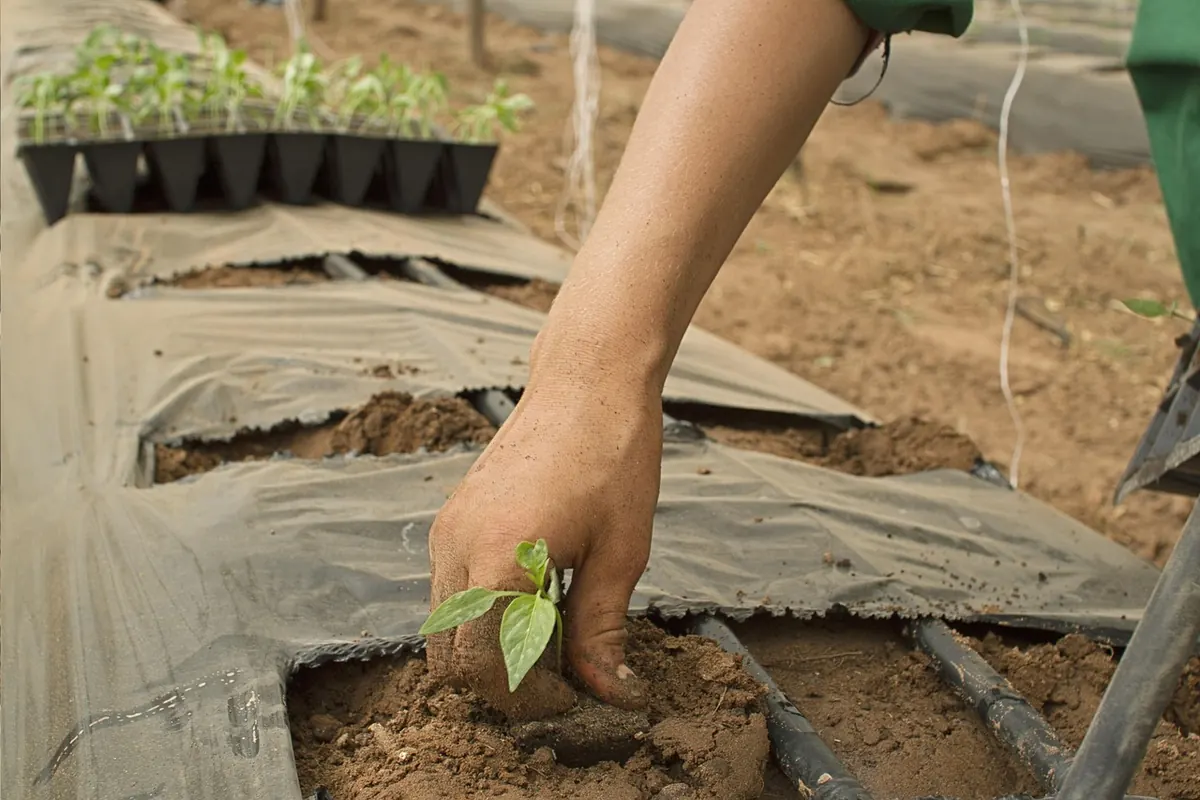
Raised beds solve a lot of problems. The soil warms faster in spring, drains better in a wet June, and stays workable because you never stand on it. Then July arrives, and you spend twenty minutes every evening walking the beds with a watering can, watching half of it run off the sides. A permanent watering line fixes that. The two options most gardeners weigh up are drip irrigation and soaker hoses, and the honest answer is that both work — just not for the same garden, and not with the same amount of fiddling.
Here is what actually separates them, based on how each one behaves in a real vegetable bed rather than on a catalogue description.
A soaker hose is a length of porous rubber or vinyl that weeps water along its entire length. You lay it between rows, loop it through a bed, or bury it just under the mulch, and screw it onto a tap with a pressure reducer. Water sweats out of the walls and soaks sideways into the soil. It is about as simple as irrigation gets.
Drip irrigation is a system rather than a single product. A half-inch mainline runs along the garden, and thinner tubing or built-in emitters release water in controlled amounts at set points. In raised beds the most useful version is inline drip tubing, where emitters are factory-inserted every 30 cm (12 in) or so inside the pipe. You lay it down the length of the bed, and every plant within reach of the line gets the same measured trickle.
Soaker hose waters a strip of soil. Drip waters specific points. That single distinction explains most of the trade-offs that follow.
Both systems beat a sprinkler comfortably, because neither throws water into the air where wind takes it and leaves wet the foliage that would rather stay dry. Between the two, drip usually has the edge, for three reasons.
That said, a soaker hose under a good layer of straw or compost is remarkably efficient, because the mulch catches what would otherwise evaporate. If your beds are already heavily mulched and your runs are short, the gap narrows a lot.
With either system, water deeply and less often. A long soak twice a week builds deeper roots than a short daily sprinkle, and it keeps the surface drier, which means fewer slugs and less weed germination.
Soaker hose wins on effort, without contest. Unroll it, let it soften in the sun for an hour, snake it through the bed, and connect it. A single bed takes ten minutes.
Drip takes planning but rewards it. The typical raised-bed setup looks like this:
Budget an afternoon for four to six beds, and expect a second trip to the shop for a fitting you did not know you needed. It happens to everyone.
Sketch the beds on paper before buying anything, and count the metres of tubing you need rather than guessing. Drip systems fail at the joints far more often than in the pipe, so fewer connections is better.
Both systems clog, and both need attention at the end of the year.
Soaker hoses clog from the outside in. Minerals in the water, plus soil pressed against the hose, block the pores and the output drops — often so gradually you do not notice until plants look thirsty. Scrubbing the hose with a brush helps, as does soaking it in a bucket of water with a little vinegar for hard-water deposits. Do not expect more than a few seasons of good performance, and note that a split or blocked section cannot really be repaired.
Drip lines clog from the inside. The filter is your first defence: clean it monthly, more often if your water is gritty or comes from a well. Flush the lines at the start and end of each season by opening the end caps. Individual emitters can be cleared or replaced, and a punctured line is fixed in seconds with a goof plug.
Winter care matters more than most people expect. Drain both systems completely, coil them loosely, and store them somewhere out of the sun and frost. UV and ice do more damage than any pest.
A soaker hose is the cheaper purchase, and for one or two beds it is hard to argue with. A drip system costs more up front once you add the filter, regulator, mainline, fittings and stakes — but the tubing lasts considerably longer, repairs are cheap, and a timer plugs straight in.
If you are watering four or more raised beds, or you want to leave the garden for a week in August, the drip system usually pays for itself in replacement hoses and in plants that survive a hot spell. If you have two beds by the back door and you are out there every evening anyway, a soaker hose and a timer will do everything you need.
Choose soaker hose if your beds are small, your runs are short, your water is soft, and you want water in the ground this weekend. Lay it in loops no more than 15 metres long, keep it under mulch, and check the far end now and then to confirm it is still weeping.
Choose drip irrigation if you have several beds, hard water, a slope, or a busy week where watering gets skipped. Inline tubing at 30 cm emitter spacing suits almost every vegetable bed: it waters lettuce seedlings and tomato plants on the same line without rewiring anything.
And if you are unsure, do what most experienced gardeners end up doing — start with a soaker hose in the bed nearest the tap, and put drip in the beds you reach last. By August you will know exactly which one you want more of.
Whichever you fit, three habits make the difference. Mulch over the line so water stays in the soil instead of rising into the air. Water in the early morning, when pressure is steadier and losses are lowest. And check the soil, not the calendar — push a finger in to the second knuckle, or dig a small hole with a trowel, before deciding a bed needs more. Add a battery timer when you can, and walk the beds once a week to look for kinks, leaks and thirsty plants. Ten minutes of inspection beats an hour of emergency watering, every time.
Photo: yassineexo / Pixabay
Previous Post
Spring Bulb Planting Checklist for a Continuous Six-Month Bloom
Next Post
Beginner's Guide to Mediterranean Plants for a Low-Water Garden