10 Common Lawn Care Mistakes That Invite Weeds and Patchy Grass
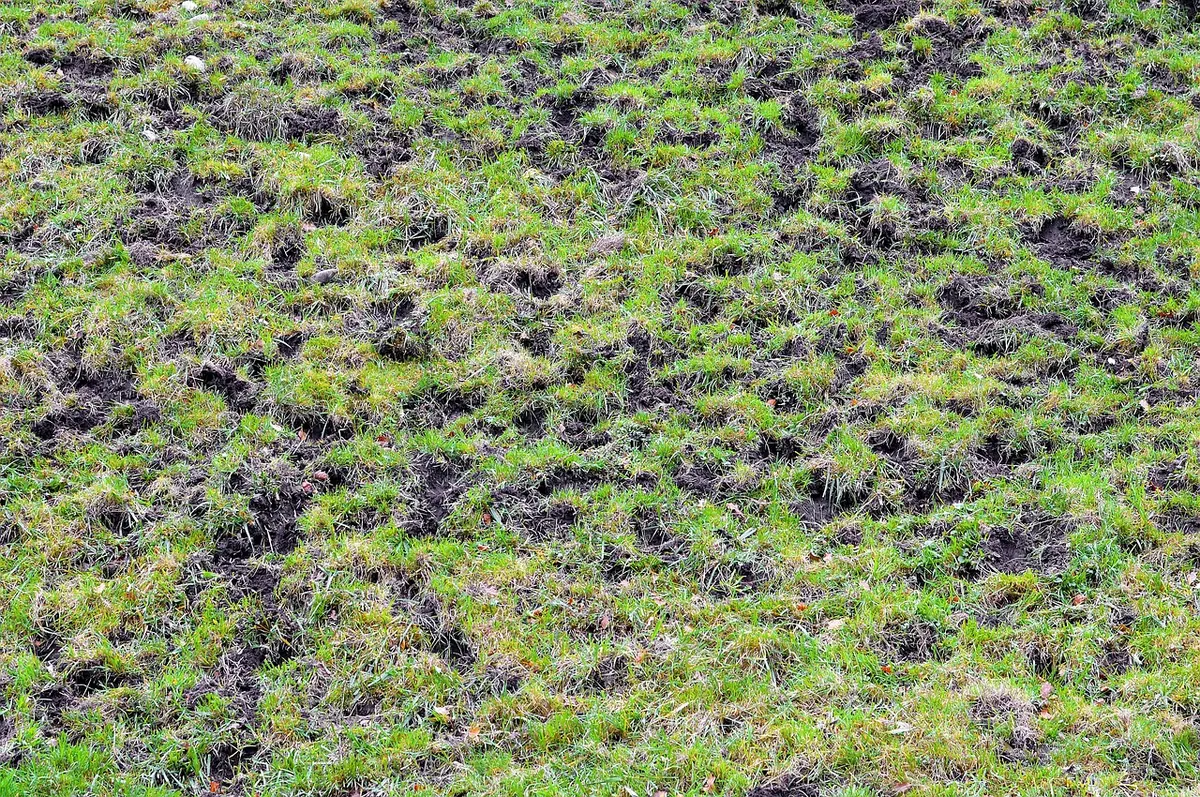
A lawn rarely fails all at once. First comes a thin edge by the path, then a few dandelions, then a brown patch that refuses to fill in. You could spray every weed in sight and still watch the lawn decline, because the real problem is usually the routine: how the grass is cut, watered, fed and grown. Most weed invasions and patchy areas begin with ordinary maintenance habits that slowly give weeds the upper hand.
The ten mistakes below cover mowing, watering, feeding and soil—the daily decisions that decide whether grass or weeds get the advantage. None require a professional crew. Some fixes take an afternoon; others become easier with each season.
Mistake 1: Cutting the lawn too short. A close buzz may look tidy for a day, but it removes the leaf area the grass needs to feed itself. Short turf lets sunlight reach weed seeds, dries out faster and recovers slowly from drought or foot traffic. Raise the mower deck and follow a simple rule: remove no more than one-third of the blade height at a cut. If the lawn has gotten away from you, mow in two passes over a few days rather than scalping it in one go. Taller grass, within reason for your grass type, shades the soil and makes life harder for weed seedlings.
Mistake 2: Mowing with a dull blade or on wet grass. A dull blade tears rather than cuts. The ragged tips turn brown, and the lawn looks patchy even when it is not. Wet grass clumps, smothers the turf underneath and makes an uneven cut. Sharpen the blade regularly, check it after hitting stones or sticks, and wait for the grass to dry. Mow in a different direction each time, too; repeated passes in the same lines can wear ruts and leave the grass leaning.
Mistake 3: Shallow daily watering. A quick sprinkle every evening feels like care, but it keeps roots near the surface. Those roots dry out quickly and leave the lawn vulnerable to heat and weeds. Water less often and more deeply. A useful starting point is about an inch of water a week, including rainfall, adjusted for your soil and climate. Put a small container on the lawn while the sprinkler runs and stop when it reaches the mark. Then let the top few centimetres dry before watering again.
Mistake 4: Watering at the wrong time or ignoring runoff. Late-evening watering leaves blades wet overnight and can encourage disease. Early morning is better: the grass dries during the day, and less water is lost to evaporation. Watch how the soil responds. If water runs down the driveway after ten minutes, the ground is either compacted or taking it in too slowly. Run the sprinkler in short cycles with a pause between them so the water soaks in rather than streaming away.
Mistake 5: Fertilizing by habit instead of by need. More fertilizer is not better. Too much nitrogen pushes soft, fast growth that needs more mowing and water, and it can make the lawn less resilient. Weeds often move into the thin or stressed spots that follow. Test the soil before choosing a feed, and use a slow-release product according to the label. Feed when the grass is actively growing, not when it is dormant or baking in drought. A modest, steady supply of nutrients builds density; a heavy hand creates problems.
Mistake 6: Spreading fertilizer unevenly or at the wrong rate. A spreader that is not calibrated, or a rushed pass around the edges, leaves stripes of lush growth and patches that get nothing. Both invite weeds. Measure the lawn, set the spreader correctly, and divide the fertilizer into two passes at right angles. Close the spreader at turnarounds and sweep any spills off paving immediately. Water the lawn lightly after feeding if the label recommends it, so granules do not sit on the blades.
Mistake 7: Ignoring compaction. Soil under a busy path, a children’s play area or a repeated mowing route can become hard and airless. Grass roots struggle, water runs off, and moss or weeds take hold. Aerate when the grass is actively growing and the soil is moist but not soggy. Core aeration, which removes small plugs of soil, is more effective than spiking. Follow with a thin topdressing of compost and let the lawn recover before heavy use. Avoid aerating a dormant or drought-stressed lawn.
Mistake 8: Guessing at soil pH and fertility. Weeds such as moss, plantain and sorrel often point to conditions the grass dislikes. Rather than guessing, take a soil sample and test pH and basic nutrients. Add lime only if the test says the soil is too acidic; add sulfur only if it is too alkaline. A simple topdressing of compost can improve soil structure without throwing the balance off. Healthy soil is not a one-time project, but a test removes the guesswork and saves money on products the lawn does not need.
Mistake 9: Treating weeds without thickening the lawn. Pulling or spraying a weed is satisfying, but it leaves bare soil. Sunlight hits that soil, and a new generation of weed seeds germinates. The stronger move is to make the lawn dense: correct mowing height, deep watering, appropriate feeding and overseeding thin areas. Spot-treat weeds where they appear, and pull them before they set seed. If you use a selective weedkiller, read the label carefully and apply it only when conditions are right. A weed-free patch of bare earth is not a lawn.
Mistake 10: Seeding at the wrong time or skipping aftercare. Grass seed needs good seed-to-soil contact, steady moisture and the right soil temperature. Tossed onto hard ground, it becomes bird food. Scratch the surface, sow at the recommended rate, and keep the seedbed lightly moist until germination. Choose a seed mix suited to your light, soil and how the lawn is used. Avoid walking on new seedlings and delay the first mow until they are tall enough. Overseeding thin spots in the right season is one of the most reliable ways to crowd out weeds.
If the lawn has gone patchy, do not try to fix everything in one weekend. Work with the season and take the pressure off the grass. Start with these simple checks:
Photo: athree23 / Pixabay
Previous Post
Beginner's Guide to Mediterranean Plants for a Low-Water Garden
Next Post
How to Build a Wildlife-Friendly Pond in a Weekend